
Starting a pressure washing business can be an excellent opportunity for those looking to launch a venture with moderate startup costs and high growth potential. This type of service is increasingly in demand by homeowners, businesses, property managers, and even industrial facilities that need to keep their exteriors clean, safe, and visually appealing.
Pressure washing not only improves the appearance of surfaces but also helps maintain them and prevent long-term damage.
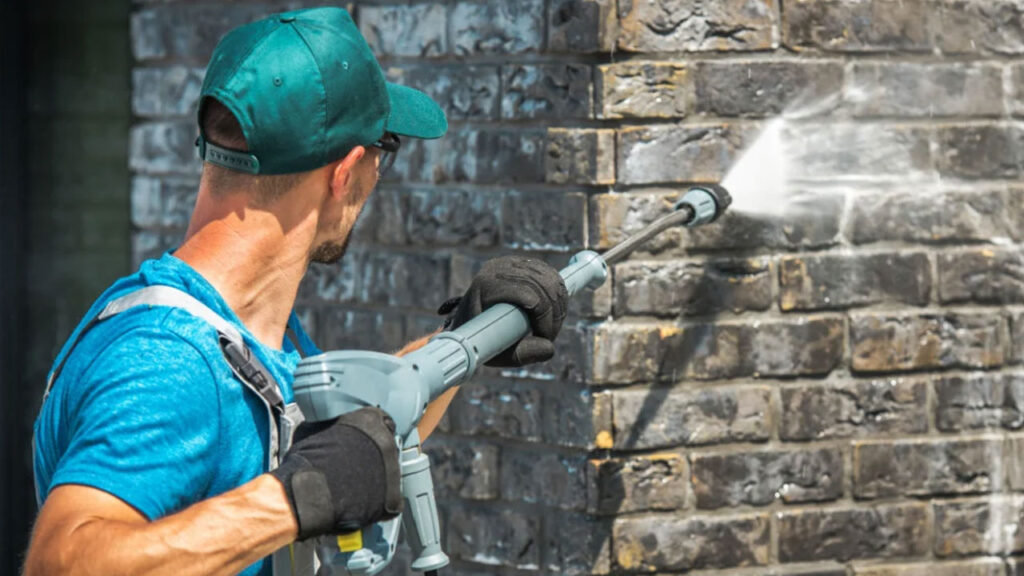
Whether you’re looking to start as a solo operator or envision building a fleet of mobile units with employees, this business model can be tailored to fit different levels of ambition. However, to build a successful and sustainable company, it’s crucial to take a well-organized approach. Below, we break down all the key steps to launch your own professional pressure washing business.
Research the Market
Before buying equipment, registering your company, or designing a logo, it’s essential to fully understand the market you’re entering. This research will help you make informed decisions and properly position your services from day one. Start by analyzing the local demand: how common is it for homeowners or businesses to need exterior cleaning?
Evaluate whether your area has lots of residential properties with driveways, decks, or siding that get dirty easily. Also, look for commercial spaces like restaurants, stores, dealerships, or warehouses that may require regular cleanings.
Identifying your target customers early on will help you focus your marketing strategy. For instance, if your area is primarily residential, you might specialize in driveway, patio, and siding cleaning. If it’s more commercial or industrial, you could focus on storefronts, walkways, signs, and loading areas.
Studying your competition is also crucial. Find out which companies are already offering pressure washing services in your area, what specific services they offer, how they present themselves online, and what they charge. Google, Yelp, social media, and local business directories can be great resources for this. This insight will help you spot gaps in the market, set competitive pricing, and find ways to stand out.
Lastly, be sure to understand your local regulations. Some municipalities require environmental permits, especially if you’re discharging water into public drains or using certain chemicals. You may also need a general business license, as well as compliance with safety or zoning rules. Getting this information early will save you from legal troubles down the line and help you operate with confidence.
Set Up the Legal Structure
Defining the legal structure of your business is a key step to protect yourself personally and give your business a professional foundation. Most entrepreneurs choose to form an LLC (Limited Liability Company) or a corporation, depending on the country or state. These structures help separate your personal assets from your business liabilities, meaning your home, car, or savings are protected if your business gets sued or goes into debt.
Registering your business also includes choosing a trade name. It should be unique, relevant to your services, and easy to remember. Check your state or country’s business registry to make sure the name is available, and consider securing the domain name for your future website.
If you’ll be operating under a brand name that’s different from your legal entity name, you may also need to file a “Doing Business As” (DBA), depending on local laws. After you’ve established your legal structure and name, apply for the necessary licenses and permits.
A general business license is typically the minimum requirement, but in some areas, you might also need a specific water use permit or wastewater discharge permit, especially if you use cleaning agents. Taking care of these legal details may seem tedious, but they’re essential for operating professionally and avoiding penalties.
Purchase the Necessary Equipment
Once you’ve taken care of the legal aspects, it’s time to invest in the tools of the trade. The type of equipment you purchase will directly affect the quality of your work, how efficiently you operate, and the types of clients you can serve. The core of your business is the pressure washer.
For commercial use, you should get a machine that delivers at least 4 gallons per minute (GPM) and more than 3,000 PSI (pounds per square inch). This level of power is strong enough to tackle tough grime without damaging sensitive surfaces.
In addition to the main unit, you’ll need heavy-duty hoses—ideally 200 feet or more—to give you plenty of reach without having to constantly move your machine. You should also stock up on different nozzles that allow you to adjust the spray pattern and pressure depending on the surface you’re cleaning. Some jobs require a gentle touch, while others can handle more force.
Don’t forget about detergents and specialized cleaning products. Jobs like roof cleaning or oil-stained driveways may require specific chemicals. Make sure the products you use are eco-friendly and compliant with local environmental laws.
Safety gear is another essential. Non-slip boots, gloves, protective goggles, and hearing protection may seem like extras, but they’re crucial for preventing injuries. Over time, you might also want to invest in a hot water unit, which can give you a competitive edge for industrial work or grease removal. This additional capability can open the door to more specialized (and higher-paying) jobs.
Create a Business Plan
The next step is to put your ideas and strategy down on paper. A well-crafted business plan will serve as your roadmap and can also help you secure funding or partnerships if needed. Start with an executive summary that outlines your mission, vision, and short- and long-term goals. Explain why you’re starting this business and what gap you intend to fill in the market.
In the market analysis section, summarize the research you did earlier—your potential customer base, the competitive landscape, and industry trends in your area. Then, clearly define the services you’ll offer: driveway cleaning, deck and patio cleaning, siding, roof washing, window exteriors, sign cleaning, sidewalks, and more.
Lay out your pricing structure. While some contractors charge by the hour, it’s more common to charge by the square foot. For residential services, rates typically range from $0.08 to $0.35 per square foot, depending on the complexity of the job, the surface type, and how dirty it is. Be sure your pricing covers your operational costs, your time, and leaves room for a healthy profit margin.
Finally, include realistic financial projections. List your startup expenses (equipment, insurance, marketing, licenses), monthly operating costs (fuel, maintenance, chemical refills, advertising), and your estimated monthly income based on how many jobs you expect to complete. This section will help you understand how much cash flow you’ll need and when you can expect to break even.
Get Insurance Coverage
Although it may seem like an extra expense at first, having proper insurance is critical to protect your business and maintain a professional reputation. The most important coverage is general liability insurance, which protects you if you accidentally damage a customer’s property. For example, if your pressure washer cracks a window or causes water damage to a wall, your insurance will cover the repair costs and shield you from financial loss.
You should also consider equipment insurance. Your pressure washer, hoses, and accessories are a significant investment and can be targets for theft or subject to damage. Equipment coverage ensures that you can replace them quickly without disrupting your operations.
If you plan to hire workers, even part-time or seasonal help, you’ll need workers’ compensation insurance. This covers medical bills and lost wages in case of job-related injuries. In many areas, this type of coverage is legally required, and failing to provide it can lead to hefty fines.
Having the right insurance doesn’t just protect your business—it builds trust with customers. Many commercial clients and institutions will not even consider hiring you unless you can show proof of insurance.
Marketing Strategies to Grow Your Business
With everything set up and ready to go, the next challenge is finding customers. An effective marketing strategy will determine how quickly and successfully your business grows. Start by building a strong brand. Choose a professional-sounding name, design a memorable logo, and create a consistent look across all your promotional materials.
Leverage social media to build an audience and showcase your work. Posting “before and after” videos can generate a lot of interest, especially on visual platforms like Instagram, TikTok, and Facebook. You can also share seasonal cleaning tips, maintenance advice, or answer common questions to establish yourself as a knowledgeable expert in your field.
Paid advertising can also deliver quick results. Google Ads is a powerful tool for showing up when people search for “pressure washing near me.” Yelp Ads can be especially effective in cities where locals rely on the platform for finding home services. Make sure to create a complete Google Business Profile and claim your listings on review sites to boost your local visibility.
Don’t underestimate the power of direct marketing, either. Distribute flyers in specific neighborhoods, leave business cards at hardware stores or community centers, and consider sending direct mail promotions to homeowners. Referral discounts are also highly effective—offer incentives to customers who refer friends or family.
Estimated Startup Costs
One of the biggest advantages of a pressure washing business is the relatively low barrier to entry. If you already own a vehicle and buy basic second-hand equipment, you could get started for as little as $220. On the other hand, if you want to launch with brand-new professional-grade equipment, comprehensive insurance, marketing materials, and a dedicated work vehicle, your investment could reach $48,000.
Typical startup costs include the pressure washer, hoses and attachments, cleaning supplies, safety gear, licenses, insurance, marketing expenses, and vehicle costs. The key is to start with what you need to deliver professional service and expand your operation as your customer base grows.
Create you Washing Pressure Business now
Starting a pressure washing business can be the first step toward a solid, profitable entrepreneurial career. You don’t need prior experience in industrial cleaning or a large amount of capital to get started, but you do need focus, organization, and a commitment to delivering quality service.
From researching your market to equipping yourself properly, and from developing a marketing strategy to securing the right insurance, every step you take lays the foundation for long-term success. With dedication, strong customer service, and consistency, you can become a trusted local expert and build a business you’re proud of.
Ready to get started? The best time to take action is now. Every dirty surface is a business opportunity waiting for you.